
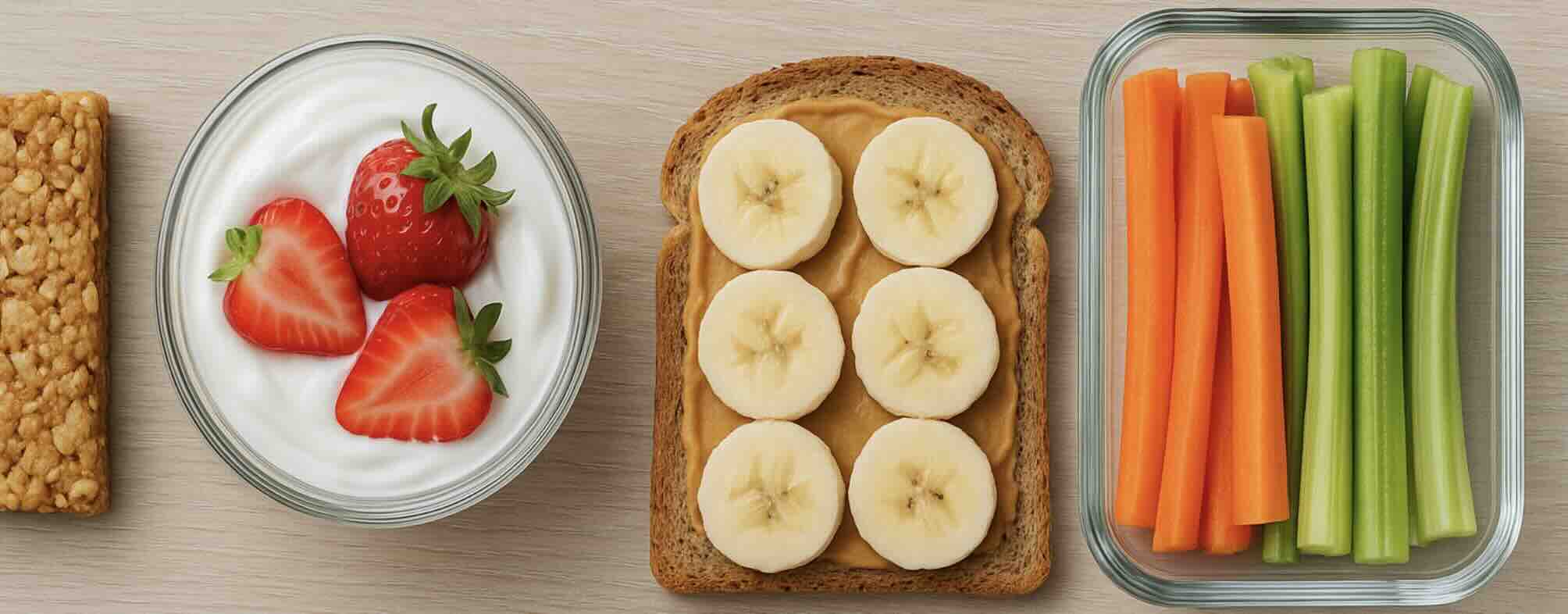
Trying to reduce your family's sugar intake? The easiest wins are swapping sugary drinks for water or milk, choosing plain yogurt and adding your own fruit, and building snacks around protein, fiber, and healthy fats—think cheese and whole-grain crackers, apple slices with nut butter, hummus with veggies, eggs, and popcorn. Below you'll find 30 kid-approved low-sugar snacks, easy meal ideas, a ready-to-use 1-week snack plan, simple swaps for juice and fruit snacks, and tips for cutting sugar without daily battles.
None of this requires special products or a sugar-free household. Kids can still enjoy birthday cake and the odd cookie. The goal is to move the everyday foods—the snacks, drinks, and breakfasts that show up again and again—toward options with little or no added sugar.
Table of Contents
How Much Sugar Should Kids Have?
The American Heart Association (AHA) recommends that children and teens aged 2–18 have less than 25 grams of added sugar a day—about 6 teaspoons. For children under 2, the AHA recommends no added sugar at all. The AHA also advises that kids drink no more than one 8-ounce sugar-sweetened beverage a week.
To put 25 grams in perspective: a single flavored yogurt, a juice box, and a granola bar can easily add up to more than that before dinner. That's why small swaps across the day matter more than cutting out any one food.
Added sugar vs. natural sugar
- Added sugars are sugars and syrups put into foods during processing or cooking (table sugar, honey, maple syrup, corn syrup, fruit-juice concentrates). These are the ones to limit.
- Naturally occurring sugars come packaged in whole fruit and plain milk along with fiber, water, protein, and nutrients. Whole fruit and plain dairy are not the problem.
- Juice is a gray area. 100% juice has no added sugar, but without the fiber of whole fruit it's easy to drink a lot of sugar quickly. The World Health Organization counts juice sugars as "free sugars," the kind to limit.
On U.S. Nutrition Facts labels, look for the "Includes Xg Added Sugars" line under Total Sugars. For an everyday kids' snack, aiming for 5 grams of added sugar or less per serving is a practical rule of thumb. For more label-reading tips, see our main guide to low-sugar snacks.
30 Kid-Approved Low-Sugar Snacks
These ideas lean on foods most kids already like, with little or no added sugar. Mix and match—most take five minutes or less. You can browse even more options in our low-sugar snack category.
Lunchbox snacks (pack-and-go)
- Turkey & cheese pinwheels — Spread a whole-wheat tortilla with cream cheese, add sliced turkey and cheese, roll tightly, and slice into rounds.
- DIY "snack box" — Cheese cubes, whole-grain crackers, cucumber rounds, and a few grapes (quartered for little ones). Store-bought cracker kits often include a candy; this version doesn't.
- Hummus dip cup — A small container of hummus with carrot sticks, snap peas, bell pepper strips, or whole-wheat pita triangles.
- Hard-boiled egg + cherry tomatoes — Peel at home and pack with a pinch of salt. Quarter the tomatoes for younger kids.
- Plain yogurt with fruit on the side — Pack plain yogurt with an ice pack and let kids stir in berries or a little mashed banana.
- Edamame — Shelled and lightly salted; served cold, it's an easy protein-and-fiber win.
After-school snacks (for real hunger)
- Apple "nachos" — Thin apple slices drizzled with warmed peanut butter (or sunflower seed butter for nut-free homes) and a sprinkle of cinnamon.
- Bean-and-cheese quesadilla wedges — A whole-wheat tortilla, mashed black beans, and shredded cheese; crisp in a pan for 3 minutes.
- Mini English-muffin pizzas — Whole-wheat English muffin halves, tomato sauce with no added sugar, mozzarella, and any veggie toppings. Bake until bubbly.
- Avocado toast fingers — Whole-grain toast with mashed avocado and a squeeze of lemon, cut into strips.
- Green smoothie — Plain yogurt or milk, a handful of spinach, frozen berries, and half a banana. The fruit sweetens it—no honey or syrup needed.
- Cottage cheese bowl — Cottage cheese topped with peach slices or pineapple chunks and a dash of cinnamon.
Sweet-tooth snacks (that are still low in added sugar)
- Frozen yogurt-berry bark — Spread plain Greek yogurt on a lined tray, scatter berries on top, freeze, and break into pieces.
- Banana "nice cream" — Blend frozen banana chunks until creamy. Add a spoon of cocoa powder for a chocolate version.
- Chia pudding — Chia seeds soaked overnight in milk, topped with mashed raspberries. Try our chia pudding recipe and skip or halve the sweetener.
- Baked cinnamon apples — Apple slices tossed with cinnamon and baked at 375°F for about 20 minutes until soft.
- Yogurt parfait — Layers of plain yogurt, berries, and a small sprinkle of low-sugar granola or chopped nuts. Our Greek yogurt parfait is an easy template.
- Dark-chocolate-drizzled strawberries — A thin drizzle of melted dark chocolate goes a long way; you get the chocolate experience with far less sugar than candy.
- No-bake energy balls — Oats, nut or seed butter, and a few dates rolled into bites. Dates add natural sugar, so keep the portion to one or two. See our no-bake energy balls.
Savory snacks
- Roasted chickpeas — Crunchy, salty, and high in fiber. Our roasted chickpeas recipe takes about 30 minutes (for ages 4 and up).
- Avocado deviled eggs — Creamy, protein-rich, and fun to make together. Try our avocado deviled eggs.
- Cucumber bites — Thick cucumber rounds topped with cream cheese or hummus. Our Mediterranean cucumber bites are a hit with older kids.
- Homemade popcorn — Air-popped or stovetop, with a little butter or olive oil and parmesan (for ages 4 and up).
- Baked parmesan crisps — Small mounds of grated parmesan baked at 400°F for 5–6 minutes until lacy and crisp.
- Mini turkey or chicken meatballs — Make a batch on Sunday and serve cold or warm with a dip during the week.
On-the-go snacks
- String cheese + a clementine — Needs no prep and no fridge for a couple of hours.
- Unsweetened applesauce pouches — Look for "no sugar added" on the label; many fruit pouches are fine, but some add juice concentrate.
- DIY trail mix — Nuts or seeds, unsweetened coconut flakes, whole-grain cereal, and a few raisins (for ages 4 and up).
- Roasted seaweed snacks — Salty, crunchy, and very low in sugar.
- A banana and a small bag of nuts or seeds — Nature's packaging plus protein and fat to keep kids going longer (nuts for ages 4 and up).
Easy Swaps for Common Kids' Snacks
You don't have to overhaul the pantry overnight. Pick the one or two items your kids eat most often and swap those first. Here's roughly what changes:
| Common kids' snack | Approx. sugar | Easy lower-sugar swap | Approx. sugar |
|---|---|---|---|
| Fruit snacks / gummies (1 small pouch, ~0.8 oz) | ~10–11 g, almost all added | Fresh fruit (a clementine or ½ cup berries) or freeze-dried fruit with no added sugar | ~4–9 g, all naturally occurring |
| Flavored yogurt (5–6 oz cup) | ~12–19 g total, often 7–14 g added | Plain whole-milk or Greek yogurt + ¼ cup mashed berries or a little cinnamon | ~6–9 g, no added sugar |
| Chewy granola bar (1 bar) | ~7–12 g, mostly added | Cheese cubes + whole-grain crackers, or 1–2 homemade energy balls | ~0–6 g |
| Apple juice (8 oz / 1 cup) | ~24 g free sugars, little fiber | Water or sparkling water with a few slices of fruit; a whole apple when they want "apple" | ~0 g in the water; ~15–19 g natural sugar plus fiber in a small–medium apple |
| Chocolate milk (8 oz) | ~22–25 g total, roughly half added | Plain milk (or half chocolate, half plain while you transition) | ~12 g natural lactose |
| Frosted / sweetened cereal (1 cup) | ~9–15 g added | Plain oat O's or shredded wheat with sliced banana or berries | ~1–2 g added plus the fruit |
| Store-bought muffin | ~20–35 g, mostly added | Whole-grain toast with peanut or sunflower seed butter and banana slices | ~5–8 g, mostly from the banana |
Drinks first. If you make only one change, make it the drinks. Sweetened drinks deliver a lot of sugar quickly and don't fill kids up. Water and plain milk are the best everyday choices. If your kids love juice, keep it small, serve it with a meal, and try diluting it with water—gradually shifting the ratio toward water over a few weeks.
A 1-Week Family Snack Plan
Planning ahead is the single best defense against the vending machine and the "I'm hungry!" emergency. Use this plan as-is or as a template—prep a few things on the weekend (boil eggs, wash and cut veggies, roast chickpeas, make energy balls) and the week mostly runs itself.
| Day | After-school snack | Lunchbox add-in | Optional sweet treat |
|---|---|---|---|
| Mon | Apple slices + peanut or sunflower seed butter | Cheese cubes + whole-grain crackers | Frozen yogurt-berry bark |
| Tue | Bean-and-cheese quesadilla wedges | Hummus + cucumber and pepper sticks | Banana "nice cream" |
| Wed | Plain yogurt + berries + a sprinkle of granola | Turkey & cheese pinwheels | — |
| Thu | Homemade popcorn (age 4+) + a cheese stick | Hard-boiled egg + halved cherry tomatoes | Chia pudding with mashed raspberries |
| Fri | Mini English-muffin pizzas | Roasted chickpeas (age 4+) + clementine | Dark-chocolate-drizzled strawberries |
| Sat | Green smoothie (spinach, berries, plain yogurt, ½ banana) | — (weekend) | Baked cinnamon apple slices |
| Sun | Avocado toast fingers | — (weekend) | A planned family treat — no guilt |
Weekend prep checklist:
- Boil 6–8 eggs and keep them in the fridge, peeled or unpeeled.
- Cut a big container of carrot, cucumber, and pepper sticks.
- Roast one batch of chickpeas and make one batch of energy balls or chia pudding.
- Portion cheese cubes, nuts, or seeds into small reusable containers.
- Freeze banana chunks and berries for smoothies and "nice cream."
Quick Low-Sugar Meal Ideas for the Whole Family
Snacks are only part of the picture. Breakfast in particular is where a lot of added sugar sneaks in (sweetened cereals, flavored oatmeal packets, pastries, syrup). These meals are quick, familiar, and low in added sugar.
Breakfast
- Scrambled eggs + whole-grain toast + fruit — ready in 10 minutes.
- Plain oatmeal made with milk and topped with mashed banana, cinnamon, and chopped nuts or seeds, instead of flavored instant packets.
- Overnight oats — prep five jars on Sunday. Our golden milk overnight oats work for adventurous eaters; plain vanilla with berries works for everyone else.
- Yogurt bar — plain yogurt with toppings kids choose themselves: berries, sliced banana, seeds, a sprinkle of granola.
- Whole-grain pancakes topped with warm mashed berries instead of syrup.
Lunch
- Bento-style boxes — a protein (turkey, eggs, beans, cheese), a whole grain (crackers, pasta, rice balls), a vegetable, and a fruit.
- Wraps or pita pockets with hummus, chicken, and crunchy veg.
- Leftover pasta salad with olive oil, veggies, and mozzarella pearls.
Dinner
- Build-your-own tacos with seasoned beans or ground meat, cheese, lettuce, tomato, and avocado.
- Sheet-pan chicken and vegetables — toss everything with olive oil and spices; one pan, 30 minutes.
- Whole-wheat pasta with tomato sauce — choose a jarred sauce with no added sugar, or simmer canned tomatoes with garlic and olive oil.
- Homemade "fried" rice with leftover rice, eggs, frozen peas and carrots, and a splash of soy sauce.
- Breakfast-for-dinner — veggie omelets or frittata with toast.
For dessert, keep it simple: fruit most nights, with a planned treat a couple of times a week. That predictability makes sweets feel less forbidden—and less fought over.
How to Cut Sugar Without the Fights
How you change things matters as much as what you change. Strict bans and lectures often backfire—forbidden foods tend to become more exciting. These approaches are gentler and tend to stick:
- Go gradually. Mix flavored yogurt half-and-half with plain, then shift the ratio. Do the same with juice and water or chocolate and plain milk. Taste preferences adjust over a few weeks.
- Change what's in the house, not what's allowed. If the pantry is stocked with cheese, fruit, popcorn, and crackers, that's what kids will reach for. You don't have to say no as often.
- Use a "division of responsibility." A widely used feeding approach: parents decide what, when, and where food is offered; kids decide whether and how much to eat. It takes the pressure off both sides.
- Stop using sweets as rewards or bribes. "Eat your broccoli and you'll get dessert" teaches kids that dessert is the prize and vegetables are the punishment. Reward with time, activities, or praise instead.
- Plan treats on purpose. A known "treat night" or a cookie after Saturday lunch makes sweets predictable and lowers the daily negotiating.
- Get kids involved. Let them pick a new fruit at the store, roll the energy balls, or build their own yogurt bowl. Kids are more likely to eat what they helped make.
- Offer new foods many times. It often takes many exposures before a child accepts a new food. Serve a small portion next to something they already like, with no pressure.
- Talk about food neutrally. Skip "good" and "bad" food labels. Try "everyday foods" and "sometimes foods" instead.
- Model it. Kids notice what grown-ups drink and snack on. If you're working on your own sweet tooth, our guide to snacks that curb sugar cravings can help.
- Don't skip meals and snacks. Over-hungry kids (and adults) crave quick sugar. Regular snacks with protein and fiber keep moods and energy steadier—see our guide to blood-sugar-balancing snacks.
Safety Note for Little Ones
Choking hazards for children under 4: Whole nuts, popcorn, whole grapes, cherry tomatoes, raw carrot sticks, hard raw apple chunks, chunks of meat or cheese, hot dogs, and spoonfuls of nut butter are common choking risks. For young children, quarter grapes and cherry tomatoes lengthwise, steam or grate hard vegetables, slice apples very thinly, spread nut butter thinly on toast, and always supervise eating while seated.
Also: never give honey to babies under 12 months. If your child has a food allergy, diabetes, or other health condition, follow the guidance of your pediatrician or dietitian. This article is general information—see our health disclaimer.
Frequently Asked Questions
How much added sugar should a child have per day?
The American Heart Association recommends that children and teens aged 2 to 18 have less than 25 grams (about 6 teaspoons) of added sugar per day, and that children under 2 have no added sugar at all. Naturally occurring sugar in whole fruit and plain milk does not count toward that limit.
What are good low-sugar snacks for kids?
Great everyday options include cheese and whole-grain crackers, apple slices with peanut or sunflower seed butter, hummus with veggie sticks, hard-boiled eggs, plain yogurt with berries, edamame, homemade popcorn for kids 4 and up, roasted chickpeas, and string cheese with a clementine.
Is fruit too sugary for kids?
No. Whole fruit contains natural sugar along with fiber, water, vitamins, and minerals, and it is a healthy part of a child's diet. The sugars worth limiting are added sugars and large amounts of juice. Pairing fruit with a protein, like cheese or yogurt, makes it more filling.
Is 100% fruit juice OK for kids?
Small amounts are fine for most kids over 1, but whole fruit is the better choice because juice lacks fiber and is easy to over-drink. Serve juice in a small cup with a meal, dilute it with water, and make water and plain milk the everyday drinks.
How can I reduce my family's sugar intake without a fight?
Change things gradually, stock the house with low-sugar options rather than banning foods, stop using sweets as rewards, plan treats so they are predictable, involve kids in choosing and making snacks, and model the habits yourself. Swapping sugary drinks first gives the biggest results for the least effort.
What low-sugar snacks are safe for toddlers?
Good toddler options include plain yogurt, soft fruit cut into small pieces, quartered grapes, thin strips of toast with avocado or a thin layer of nut butter, shredded cheese, mashed beans, and steamed vegetables. Avoid whole nuts, popcorn, whole grapes, and hard raw vegetables for children under 4, and do not give honey to babies under 12 months.
Are sugar-free snacks with artificial sweeteners good for kids?
They are not necessary. Sweetened 'sugar-free' snacks keep the taste for very sweet foods going, and some sugar alcohols can cause stomach upset in kids. It is usually better to help children get used to less-sweet foods, such as plain yogurt with fruit, rather than replacing sugar with sweeteners.
The Bottom Line
Reducing your family's sugar intake comes down to a few repeatable habits: make water and plain milk the default drinks, choose plain versions of yogurt and cereal and add your own fruit, build snacks around protein and fiber, and plan treats rather than banning them. Start with the one or two swaps that will make the biggest difference in your house, use the weekly plan to stay ahead of hunger, and let kids help. Small, consistent changes add up—without turning snack time into a battle.
About This Guide
Written and maintained by the HealthSnackIdeas Editorial Team. We build our snack guides from publicly available nutrition research and dietary guidelines (USDA FoodData Central, Dietary Guidelines for Americans, WHO). This content is for general information only and is not a substitute for advice from your doctor or a registered dietitian. Read our health disclaimer.
Related Articles
Low-Sugar Snacks That Actually Taste Amazing
Our main guide to low-sugar snacking, label reading, and sugar alternatives.
Snacks That Curb Sugar Cravings
Sweet-tasting, low-sugar snacks and a playbook for afternoon and late-night cravings.
Blood-Sugar-Balancing Snacks
The protein + fiber + fat pairing rule for steady energy without spikes.